
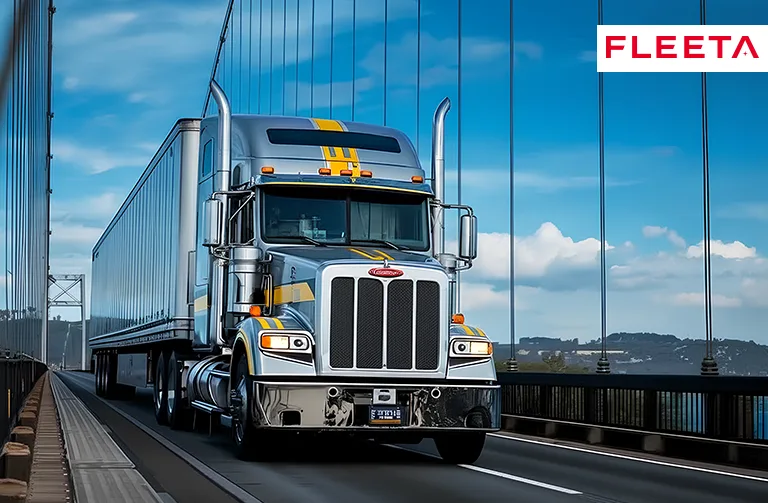
You don’t usually notice fleet problems the moment they begin. It starts with small things, a driver update that comes in late, a vehicle that should have gone for service but is still on the road, or a slight increase in fuel usage that no one can fully explain. Individually, these don’t feel like serious issues. But over time, they add up. What begins as minor inefficiencies slowly turns into delays, higher costs, and constant follow-ups across your team.
This is where most fleet operations struggle, not because they lack effort, but because they lack timely visibility and connected information. That’s exactly where a fleet management system makes a difference. It doesn’t just give you data; it gives you clarity, structure, and the ability to act before issues start affecting your operations.
What is a Fleet Management System?
A fleet management system is a centralized platform designed to help you manage all aspects of your fleet operations in one place. It brings together vehicles, drivers, trips, fuel usage, maintenance schedules, and performance data into a single, unified view. Instead of relying on multiple tools, spreadsheets, or constant communication between teams, everything becomes accessible within one system.
In practical terms, it allows you to track where your vehicles are, monitor how trips are progressing, understand how your drivers are performing, and keep control over maintenance and fuel usage. But more importantly, it helps you make decisions based on what’s happening right now, not what happened hours or days ago. This is why modern businesses are increasingly moving toward AI fleet management systems that provide instant visibility and faster decision-making.
Why Fleet Management Today Goes Beyond Tracking Vehicles?
There was a time when simply knowing the location of your vehicles was enough. GPS tracking provided a sense of control, and that was considered sufficient. But operations today are far more dynamic. It’s no longer just about where your vehicles are, it’s about understanding what is happening around those movements.
Fleet managers now need to know whether a trip is running on schedule, whether a vehicle is likely to face a maintenance issue, whether fuel usage is increasing unexpectedly, and whether any part of the operation requires immediate attention. Basic tracking systems don’t provide these answers. They show movement, but they don’t explain what needs to happen next.
This is why businesses are shifting toward AI-powered fleet management platforms. These systems go beyond tracking and reporting. They connect different data points, analyze patterns, and help teams take action at the right time instead of reacting after problems occur.
How a Real-Time Fleet Management System Works?
A real-time fleet management system works by collecting data from multiple sources and turning it into a clear, actionable view of your operations. This data typically comes from GPS and telematics devices, fuel systems, driver inputs, and vehicle diagnostics. The system processes this information instantly and provides live updates on vehicle locations, trip progress, speed, stoppages, and estimated arrival times.
However, the real value lies in how this data is used. Instead of simply displaying information, the system identifies patterns and highlights what needs attention. It can alert you to delays, signal potential maintenance issues, and detect unusual fuel consumption. This allows your team to respond while operations are still ongoing, rather than dealing with the consequences later.
In essence, it transforms data into timely decisions, which is the key to running efficient fleet operations.
Key Capabilities that Improve Everyday Operations
The effectiveness of a fleet management system comes from how well it supports daily operations. A strong system provides continuous visibility into vehicle movement, helping you understand exactly where your fleet is and how it is performing at any given moment. It also brings structure to maintenance by tracking service schedules and vehicle health, reducing the chances of unexpected breakdowns.
Fuel management becomes more controlled as the system monitors consumption patterns and highlights inefficiencies. Driver performance can be better understood through activity tracking, enabling improvements in safety and consistency. Additionally, built-in analytics eliminate the need for manual reporting by providing instant insights into operational performance.
When all these capabilities are connected within one platform, your team no longer needs to switch between systems or rely on fragmented information. Everything works together, making operations smoother and more predictable.
What Problems does a Fleet Management System Solve?
Most challenges in fleet operations stem from delayed information and disconnected workflows. When teams don’t have real-time visibility, they rely on assumptions or manual updates, which leads to slower decision-making. Fuel costs often rise because inefficiencies go unnoticed, and maintenance issues escalate because they are not identified early.
A fleet management system addresses these problems by bringing clarity and coordination into operations. It ensures that information flows in real time, allowing teams to act quickly and accurately. Instead of reacting to issues after they occur, businesses can identify risks early and prevent disruptions.
This shift significantly reduces downtime, improves cost control, and enhances overall operational efficiency.
What Makes an AI-Powered Fleet Management Platform Different?
Traditional systems are designed to report what has already happened. They provide historical data and insights that help explain past performance. While useful, this approach often leads to delayed action.
An AI-powered fleet management platform takes this a step further by focusing on what is likely to happen next. It analyzes patterns across your fleet operations and identifies early signs of potential issues. Whether it’s detecting unusual vehicle behavior, predicting maintenance needs, or highlighting delays before they impact delivery, AI enables proactive decision-making.
This means your team is no longer reacting to problems. Instead, they are anticipating and preventing them. Over time, this leads to more stable operations, fewer disruptions, and better resource utilization.
How does it Improve Day-to-Day Fleet Operations?
When your fleet is managed through a real-time, connected system, the way your operations function changes noticeably. Your team spends less time chasing updates or trying to piece together information from different sources. Instead, they have immediate access to the insights they need to make decisions.
This improves coordination across teams, reduces manual effort, and allows for faster responses to changes or issues. As a result, operations become more efficient, deliveries become more reliable, and overall performance improves.
More importantly, your team gains confidence in their decisions because they are based on accurate, real-time information.
Who Should Use a Fleet Management System?
Any business that depends on vehicles for its operations can benefit from a fleet management system. This includes logistics and transportation companies, delivery and distribution fleets, construction and infrastructure operations, cold chain logistics providers, and large enterprises managing multiple vehicles across different locations.
If your operations require coordination, visibility, and timely decision-making, a fleet management system becomes an essential part of your workflow.
Conclusion
Fleet operations don’t become inefficient overnight. They gradually lose control when information is delayed, systems are disconnected, and decisions are made too late. A fleet management system addresses these challenges by bringing everything into one place, providing real-time visibility and actionable insights.
When your team has access to the right information at the right time, operations become more predictable, decisions become faster, and problems become preventable. This is what transforms fleet management from a reactive process into a controlled and optimized operation.
If your fleet operations still depend on manual updates, scattered systems, or delayed information, it may be time to move toward a smarter approach.
Fleeta combines real-time visibility with AI-driven insights to help you stay ahead of issues, improve efficiency, and run your fleet with complete control.
Book a demo with Fleet Expert and discover how Fleeta can transform your operations into a truly connected and efficient system.